Sustainable beauty is about more than a “clean” label. It means paying attention to what’s in a product, how it’s packaged, and how the brand operates behind the scenes.
This post breaks sustainable beauty into three pillars: ingredients, packaging, and business practices. You’ll learn which ingredients to prioritize or avoid, what packaging causes the least harm, and how to spot brands that are truly ethical rather than greenwashed.
You don’t have to be perfect. Awareness and intention make a real difference.
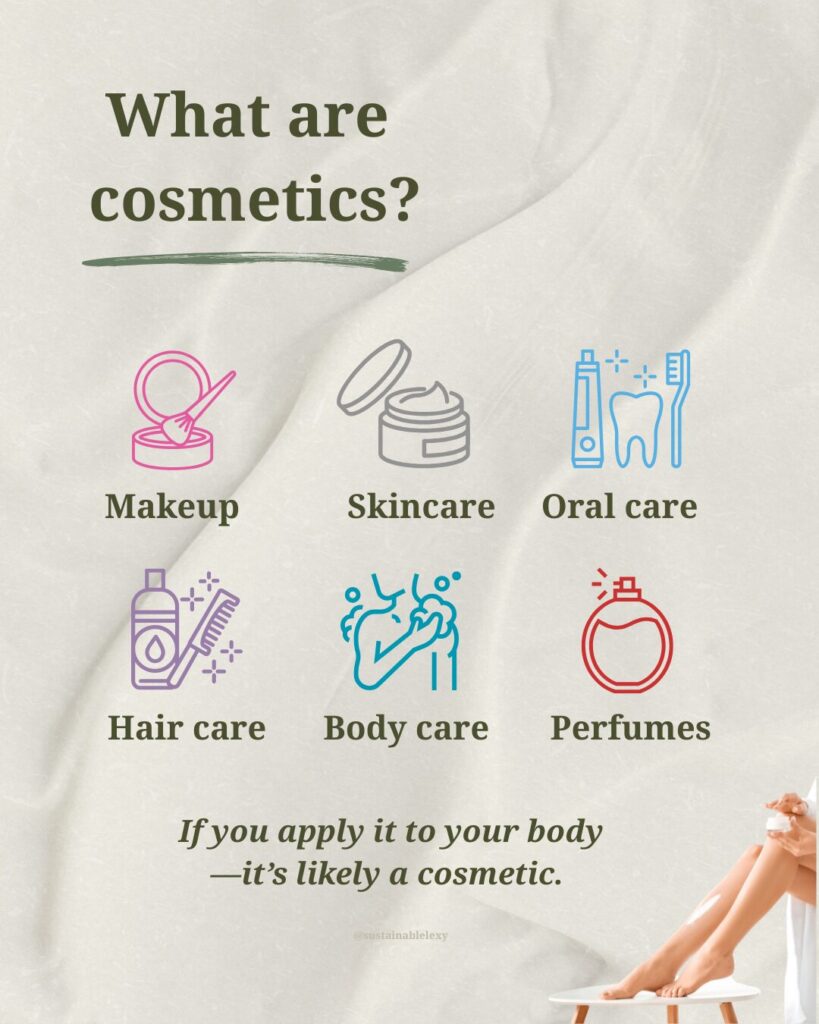
You might take a shower, brush your teeth, do your skincare routine, put on makeup, or shave. These small, everyday rituals make up what we call the beauty industry. It is a global system that touches nearly every human life.
For many of us, beauty and personal care are woven into daily self-care. Having access to clean water, soap, toothpaste, and skincare is a privilege we often take for granted. In our society, looking “put together” is closely tied to being perceived as healthy, professional, and even respectable.
But somewhere along the way, this simple act of caring for ourselves became complicated. The beauty industry, now expected to reach close to $736 billion in global revenue by 2028, has exploded with endless products, promises, and “fixes,” blurring the line between what we truly need and what we are told to want.
In the process, we have grown disconnected from the simplicity of nature’s remedies and increasingly dependent on corporations to define what it means to feel good.
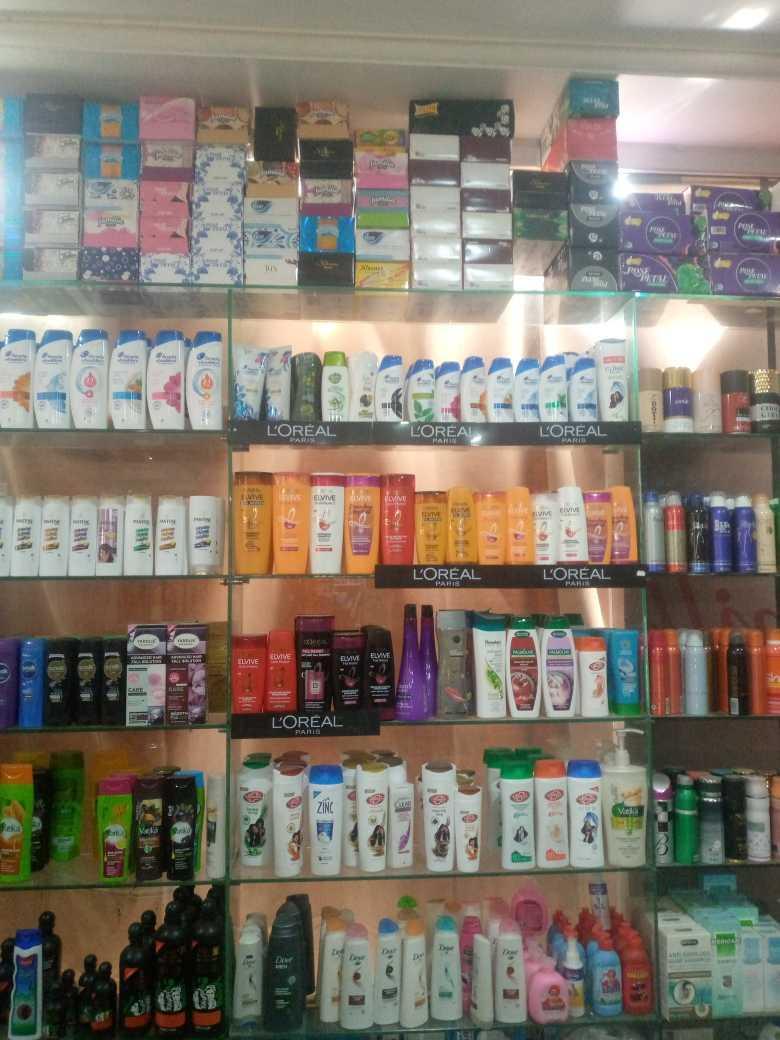
What many consumers do not realize is that behind the glossy packaging and comforting routines, much of the traditional beauty industry causes harm. This harm affects our bodies, the planet, and the lives of humans and animals across the world.
In response to growing awareness, brands have begun releasing products labeled “green,” “natural,” or “clean.” Many of these claims, however, are little more than greenwashing.
Greenwashing is a deceptive marketing tactic used by brands to appear environmentally friendly without making meaningful changes to their products or practices. This often shows up as earthy packaging, green color palettes, or vague buzzwords like “natural,” “eco-friendly,” or “green,” without clear explanations, certifications, or transparency to back them up.
The good news is that we do not have to support harmful systems to care for ourselves. To understand what truly makes a beauty product sustainable, we need to look at three core pillars.
I have been drawn to the beauty industry for as long as I can remember. When I was child, I loved getting all “dolled up” for dance performances and had fun doing makeup transformations with friends, mixing hair styling concoctions and experimenting with looks. As a teenager, I found real joy in the art of makeup. I followed every beauty YouTuber, attended Beautycon, and immersed myself in the world completely.
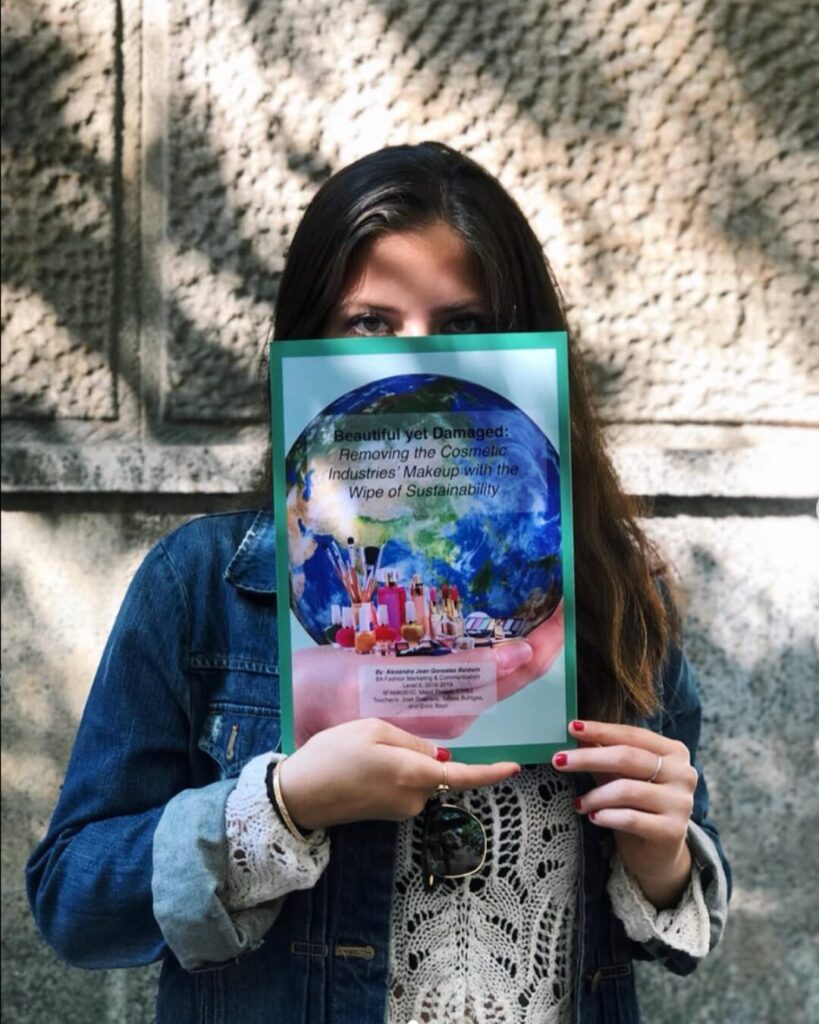
During my final year of my bachelor’s degree, I took a class in Sustainability and realized that my beloved industry could be deeply problematic. Instead of turning away from it, I chose to lean in. I wrote my thesis on linking my two favorite topics: beauty and sustainability. You can read my thesis here if you are interested.
Much of the information shared here comes from my academic research and thesis on sustainable cosmetics, combined with ongoing independent research.
Thank you for being here, and I hope you enjoy reading.
Sustainable beauty is not one ingredient or one label. It is a system.
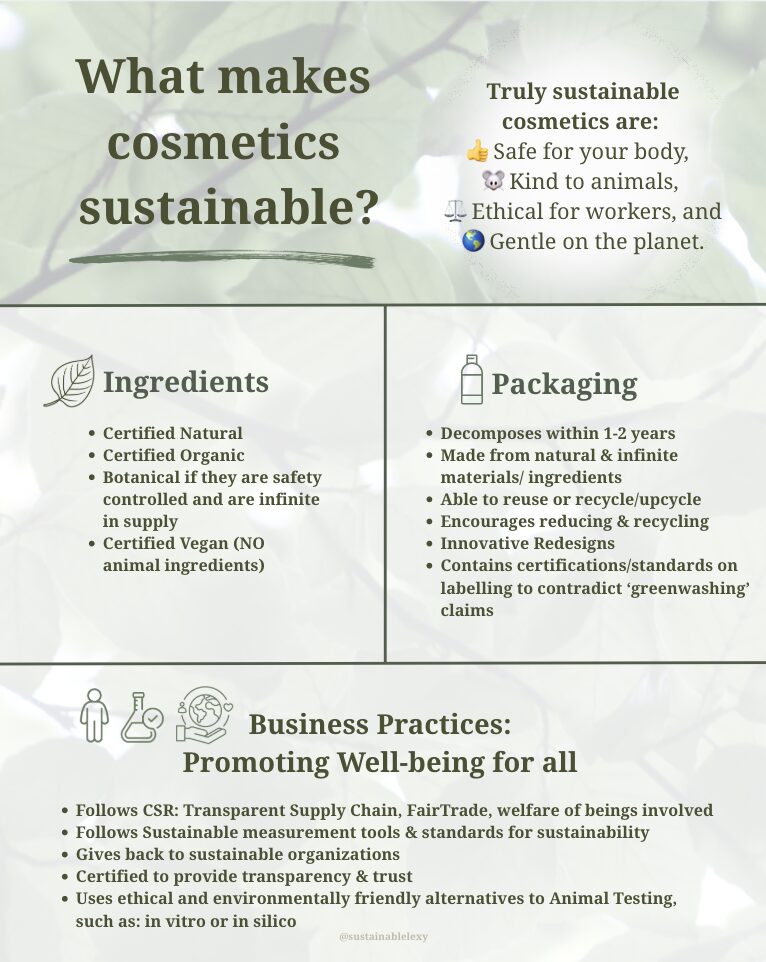
To truly understand sustainable beauty, we need to look at three interconnected pillars:
Each pillar plays a role in determining whether a product supports well-being or contributes to harm.
Just as with food, I began reading ingredient lists.
Our skin is a living organ. Whatever we put on it does not simply sit on the surface. It can be absorbed and interact with our bodies in ways we often overlook. While I still want to look cute, feel clean, and put together, I also want to know that I am not harming my body with hormone-disrupting or carcinogenic ingredients. We are already exposed to enough.
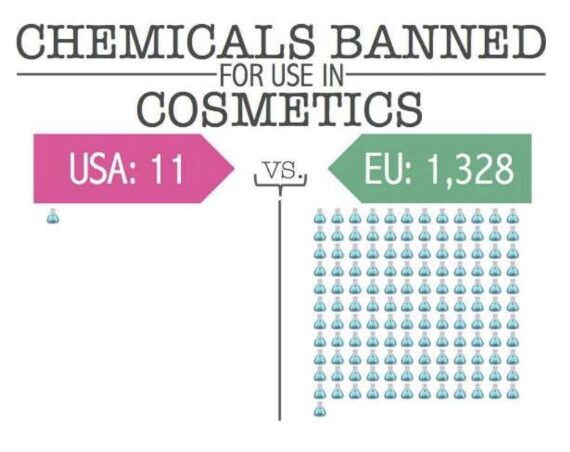
While writing my thesis on sustainable cosmetics, I learned that only 11 cosmetic ingredients are banned in the United States, compared to 1,328 in the European Union. That contrast alone raises serious questions about consumer protection. Instead of relying on systems that often prioritize profit over people, we need to become more conscious and proactive about what we put on our bodies.
Below is a guide to understanding which ingredients cause the least harm to ourselves, to animals, and to the planet.
1.1 What Sustainable Ingredients Aim to Be
At their core, sustainable beauty ingredients should be:
Simplicity is key when it comes to sustainable cosmetic ingredients. Ingredient names that are easy to recognize, such as cotton, hemp, or coconut, are often a good starting point. Before modern industrial chemistry, beauty products relied largely on plant-based materials that worked with the body and the environment rather than against them.
Nature operates in cycles, and as living beings, we are part of those cycles too. Ingredients that can safely return to the Earth through biodegradation are far less likely to persist as pollutants in our bodies or ecosystems. While “natural” does not automatically mean harmless, formulations rooted in simple, safe, and effective plant ingredients tend to carry fewer long-term risks than complex synthetic compounds designed for shelf life or cost efficiency.
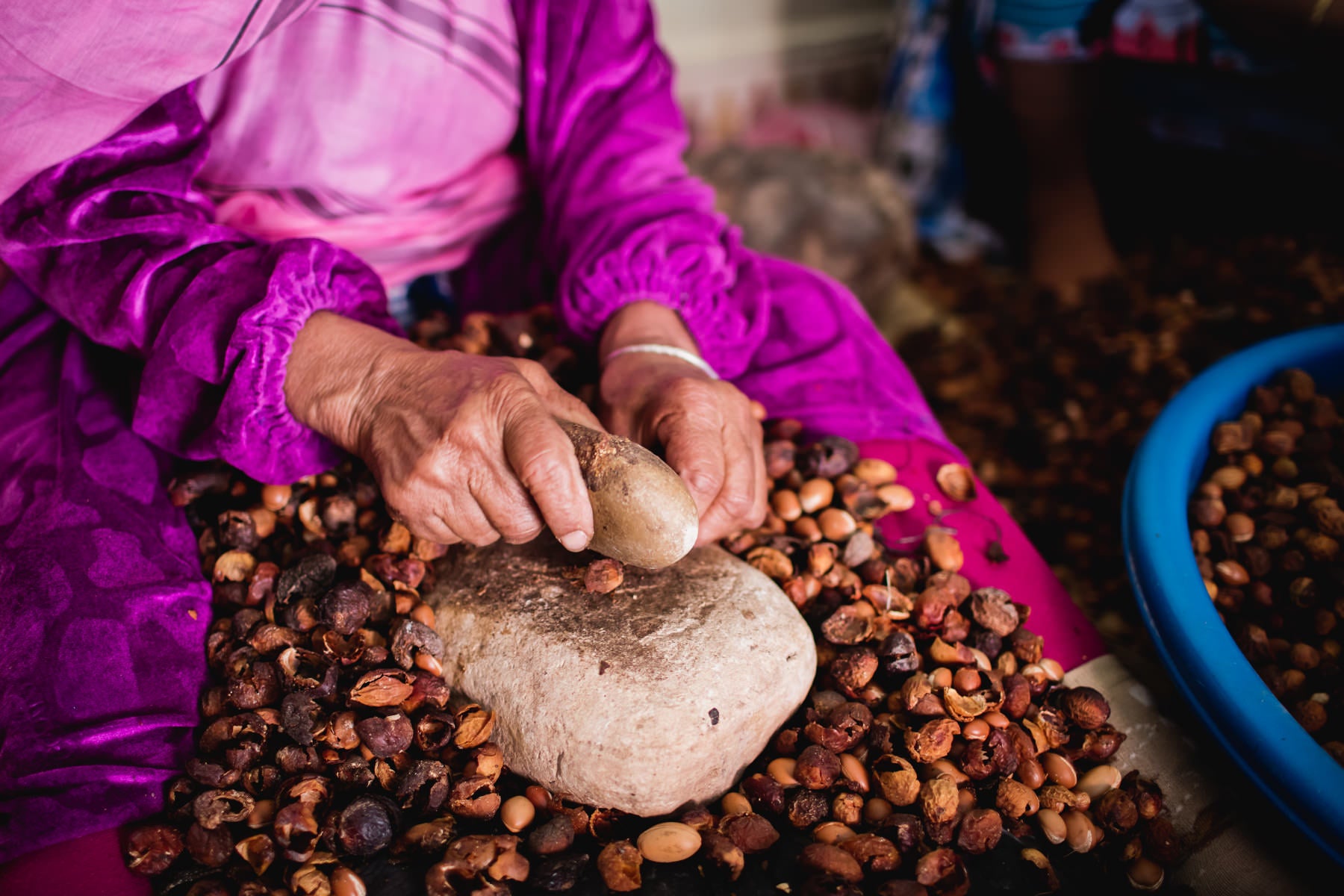
Equally important is how ingredients are sourced. True sustainability considers the full journey of a material, from the land it comes from, to the people who harvest or produce it, to the animals and ecosystems affected along the way. Ethical sourcing should aim to minimize harm, respect human labor, and avoid exploiting other Earthlings for the sake of convenience or profit.
Sustainability is not about perfection. It is about intention, transparency, and harm reduction.
1.2 Certifications & Signals to Look For:
Ingredient lists can feel overwhelming at first, which is why certifications can be helpful starting points. They offer a baseline level of accountability and transparency.

Look for certifications such as:
While certifications are not all-encompassing, they indicate that a brand has taken steps toward safer and more ethical formulations.
1.3 Ingredients to Prioritize: While the previous section outlines what sustainable ingredients aim to be in theory, this section focuses on how those principles show up in everyday products and personal choices.

Anything we put on our body has the potential to be absorbed, especially products used on the lips. Think about lipstick, lip gloss, or Chapstick. With every sip, bite, or lick of our lips, these products are partially ingested.
Once I started thinking about lip products this way, I realized that supporting vegan and cruelty-free products was not enough for me. I wanted my lip products to be as close to edible-grade as possible. This mindset shift changed how I viewed ingredients entirely.
Prioritizing health first has a funny side effect. You glow.
Before the modern cosmetic industry expanded, beauty products were made from simple, nature-derived ingredients. It was only with the rise of petroleum-based chemistry that synthetic fillers, fragrances, and stabilizers became commonplace in makeup, skincare, and personal care products. Many of the ingredients now under scrutiny are linked to hormone disruption, irritation, bioaccumulation, or long-term health concerns.
Returning to simpler, plant-based formulations is not regressive. It is intuitive.
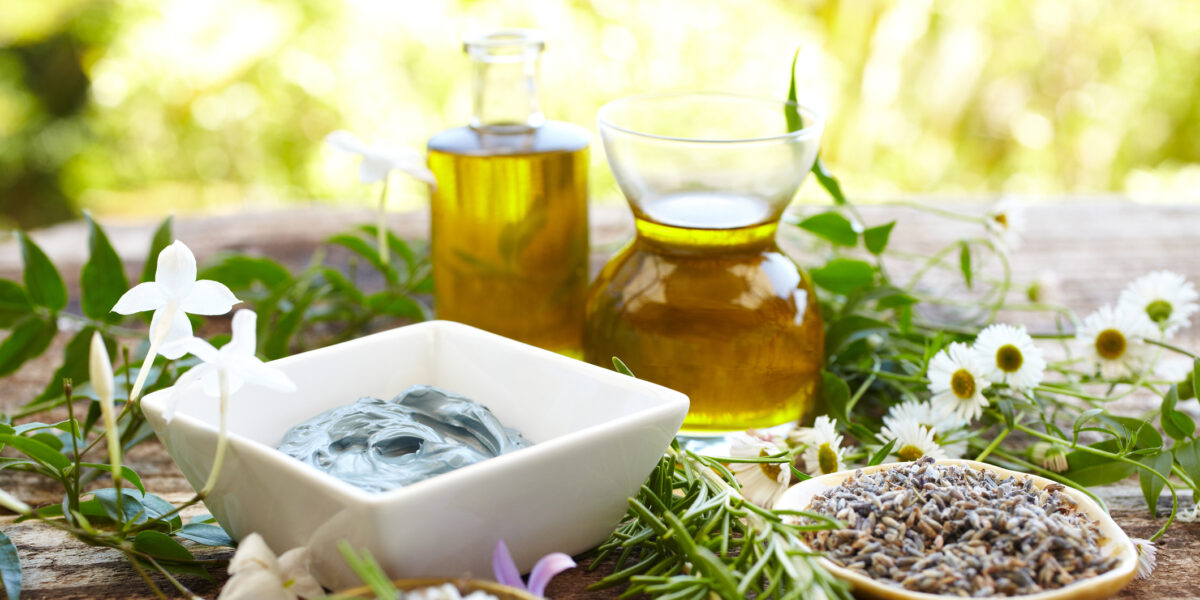
Examples of plant-based and low-impact ingredients include:
1.4 Ingredients to Avoid or Question:
As the sustainable beauty movement grows, so does greenwashing. Many brands now market products as “eco-friendly,” “clean,” or “natural,” while making minimal changes to their formulas. This makes ingredient literacy more important than ever. Learning to read labels empowers you to make informed choices for your health, the planet, and animals.
These ingredients are linked to hormone disruption, toxicity, environmental persistence, or animal harm. Watch for long, unfamiliar words, especially those starting with poly, sil, or micro.
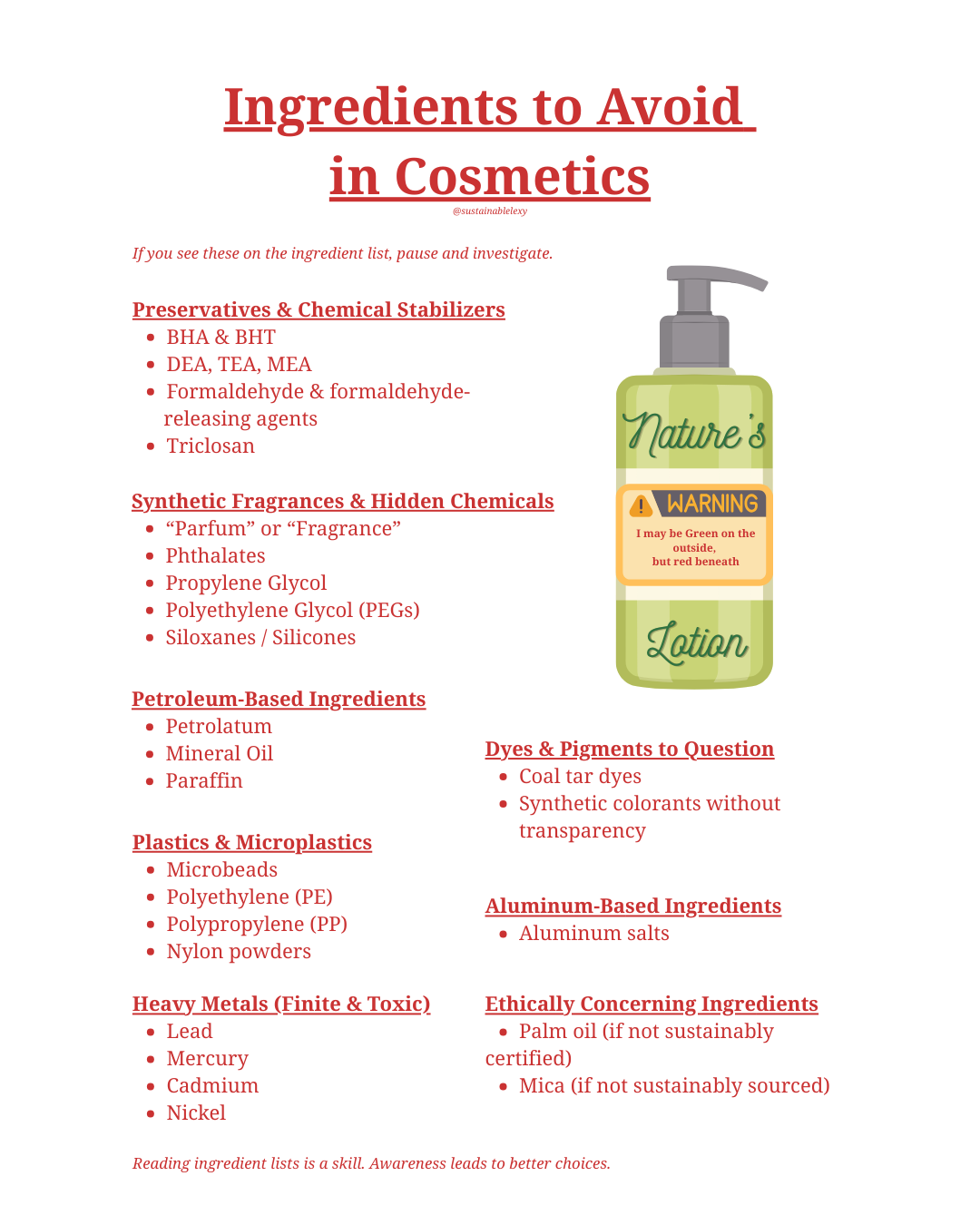
Preservatives & Chemical Stabilizers: often linked to hormone disruption or irritation.
Synthetic Fragrances & Hidden Chemicals: potential endocrine disruptors leading to infertility.
Petroleum-Based Ingredients: derived from crude oil, can contain harmful impurities, leading to skin irritants, and support the harmful fossil fuel industry.
Plastics & Microplastics: also derived from crude oil. Potential for inflammation and hormone disruption; and is a known environmental polluter.
Heavy Metals (Finite & Toxic): poses risks like reproductive, immune, and neurological issues with long-term use.
Colorants & Dyes: can lead to skin irritation, allergies, and potential links to serious illnesses (e.g., cancer from azo dyes).
Aluminum-Based Ingredients: some studies suggesting potential links to breast cancer or Alzheimer’s.
Ethically Concerning Ingredients:
Animal-derived ingredients are simply unnecessary. Ethically, it is difficult to justify, especially when plant-based alternatives now outperform animal ingredients in both safety and efficacy.
Learning to read ingredient lists can feel intimidating at first, but it quickly becomes second nature. Just like with food, awareness is empowering. When we choose ingredients that respect our bodies, animals, and the Earth, beauty becomes what it was always meant to be: care, not harm.
2.1 Why Packaging Is a Major Problem
Think of the products you use daily to feel good and refreshed:
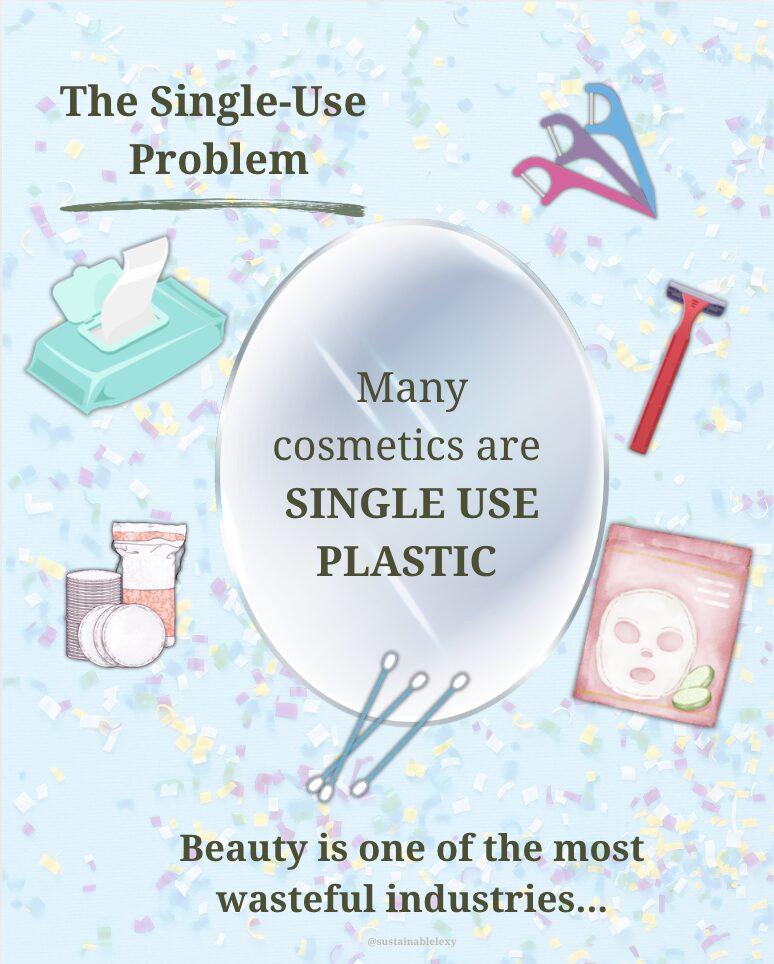
Toothbrush, toothpaste, floss, cotton pads, cotton swabs, shampoo, conditioner, body wash.
Have you ever thought about what they are made of or what happens to them after you dispose of them?
With over 120 billion units of beauty packaging produced annually, 70% of the items end up in landfills. Many of these items are single-use, meaning they are thrown away after just one use.
Plastic floss can take at least 80 years to decompose. Cotton swabs can take up to 500 years. A traditional plastic toothbrush can take 500 years or more. Many of these items will outlive us, despite being used for only seconds or minutes.
Now imagine this multiplied by nearly eight billion people every single day. Cosmetic packaging does not disappear. It ends up in our oceans, in the stomachs of fish, and washed up on our shores.

There is a lack of control of what happens to cosmetics post their usage, as the outcome is performed by the consumer.
When I realized that the items I had been using daily would exist far longer than I ever will, I knew I had to seek alternatives, and that realization changed how I shop, even for the most mundane items.
2.2 Sustainable Packaging Goals
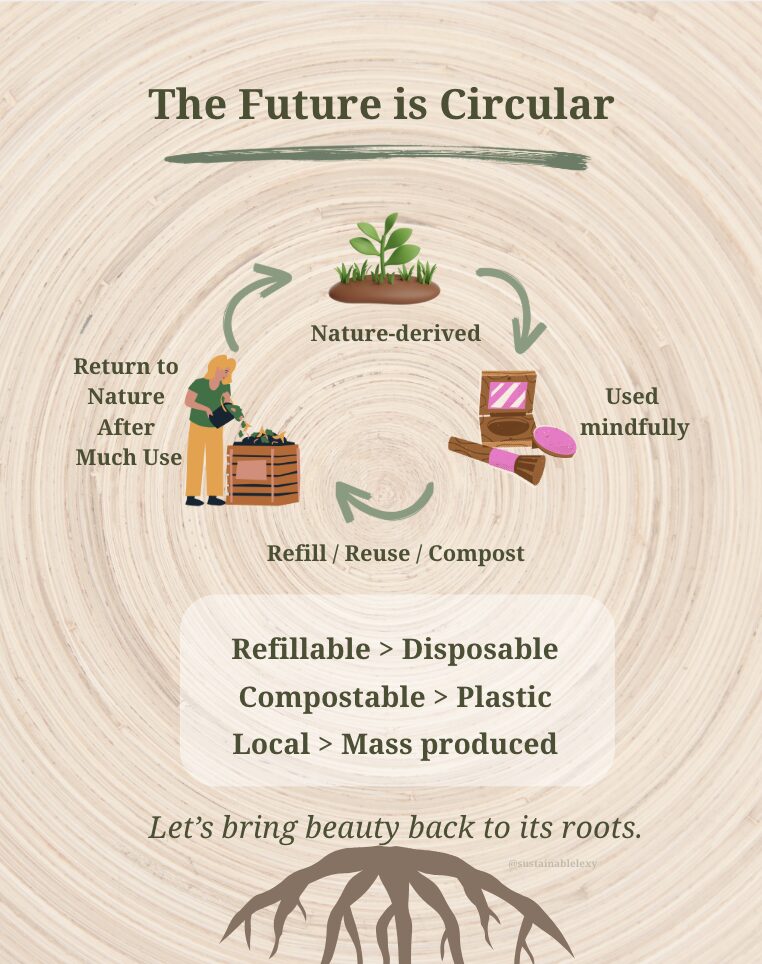
Since the industrial revolution, production and waste have followed a linear model. Resources are extracted, used, and discarded. While recycling exists, it is inconsistent, and plastic remains a toxic, petroleum-based material that sheds microplastics into the environment.
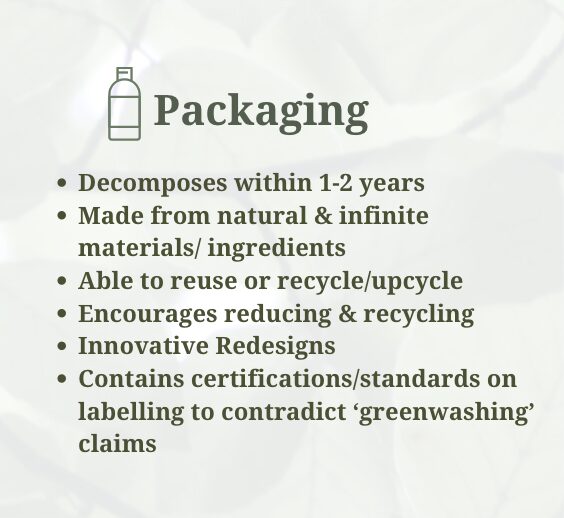
Ideally, sustainable packaging should:
Sustainable packaging is not about perfection. It is about reducing harm and rethinking disposability.
2.3 Packaging to Look For
Lower-impact packaging options include:
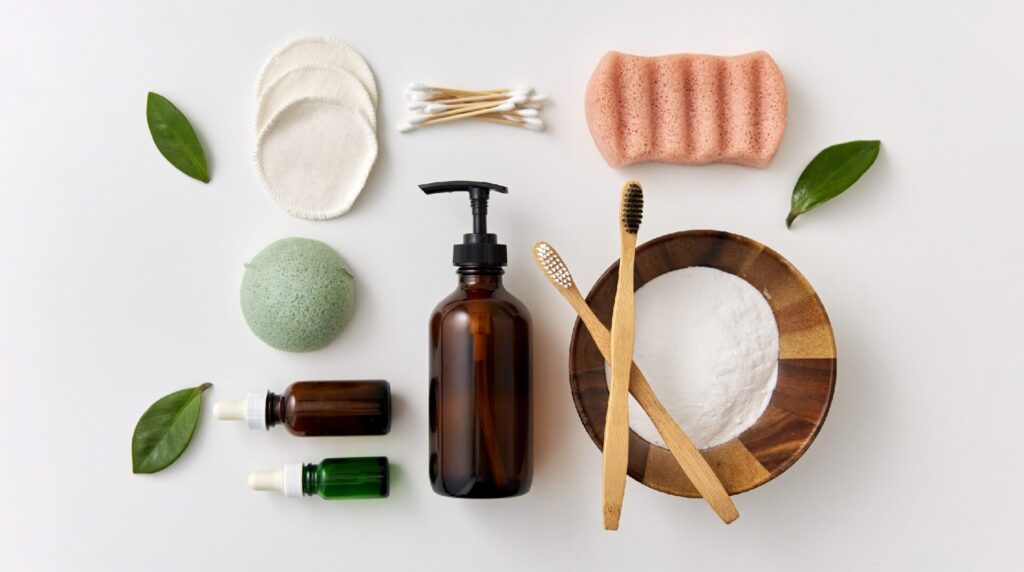
These approaches prioritize longevity, circularity, and waste reduction. You can learn more about circular systems in my post on what sustainability truly means.
2.4 Packaging to Avoid
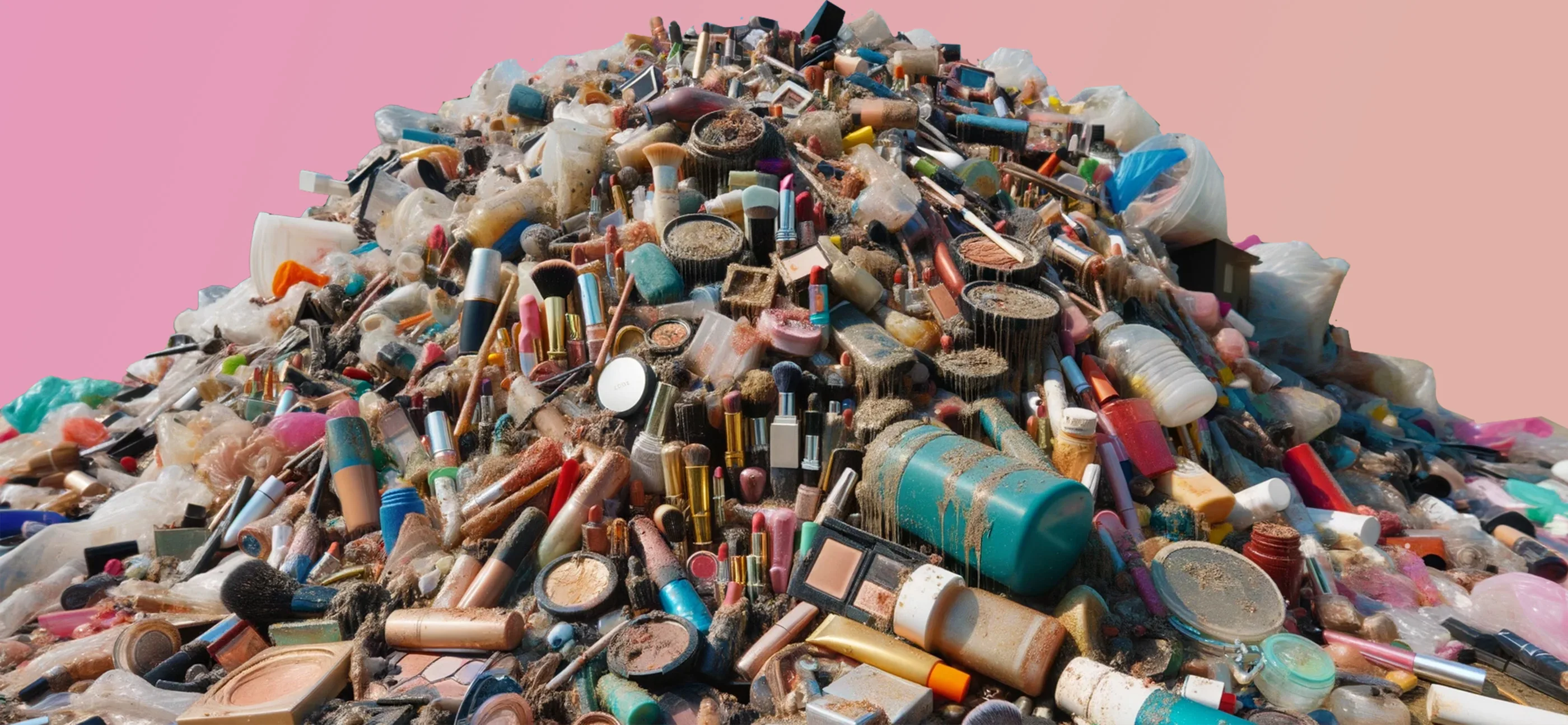
Packaging that often signals unnecessary waste includes:
Sustainable beauty does not stop at ingredients or packaging. It also includes how a company operates behind the scenes.
Corporate Social Responsibility (CSR) is a business model where companies integrate social and environmental concerns into their operations and interactions, aiming to operate ethically and contribute positively to society, balancing profit with people and the planet.
Many sustainable beauty brands create effective, ethical products while remaining transparent about sourcing, labor, and environmental impact. Unfortunately, many widely marketed brands lack transparency around where their ingredients come from, who makes their products, and what happens after use.
Some brands promote small initiatives meant to offset harm, while their core business model remains unchanged. Real progress happens when consumers ask questions, demand accountability, and shift support toward brands that do better.
3.1 How an Ethical Brand Should Operate
Ethical beauty brands should demonstrate CSR measurement tools:
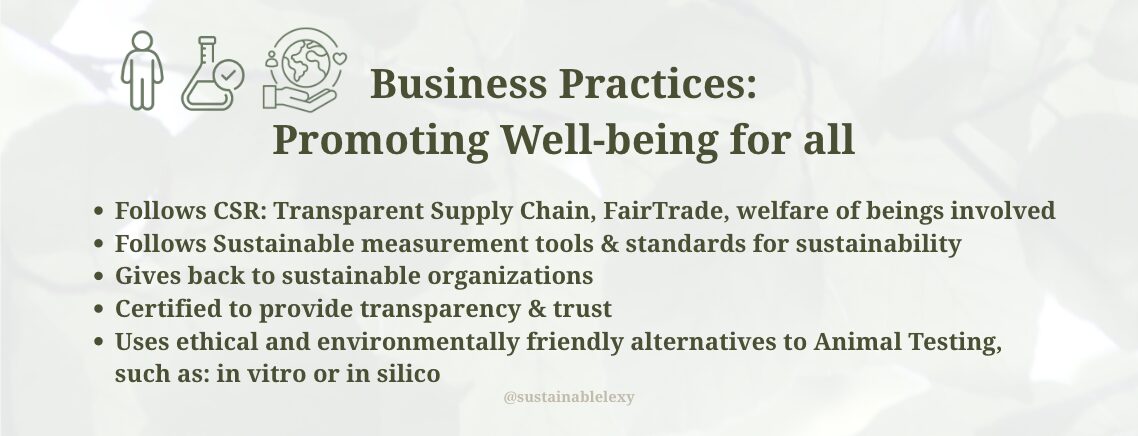
How a product is made matters just as much as what it is made from.
3.2 Animal Welfare & Testing
Animal welfare is a non-negotiable pillar of sustainable beauty. Ethical brands should ensure:
These modern testing methods allow products to be assessed for safety without harming animals.
3.3 Accountability & Certifications
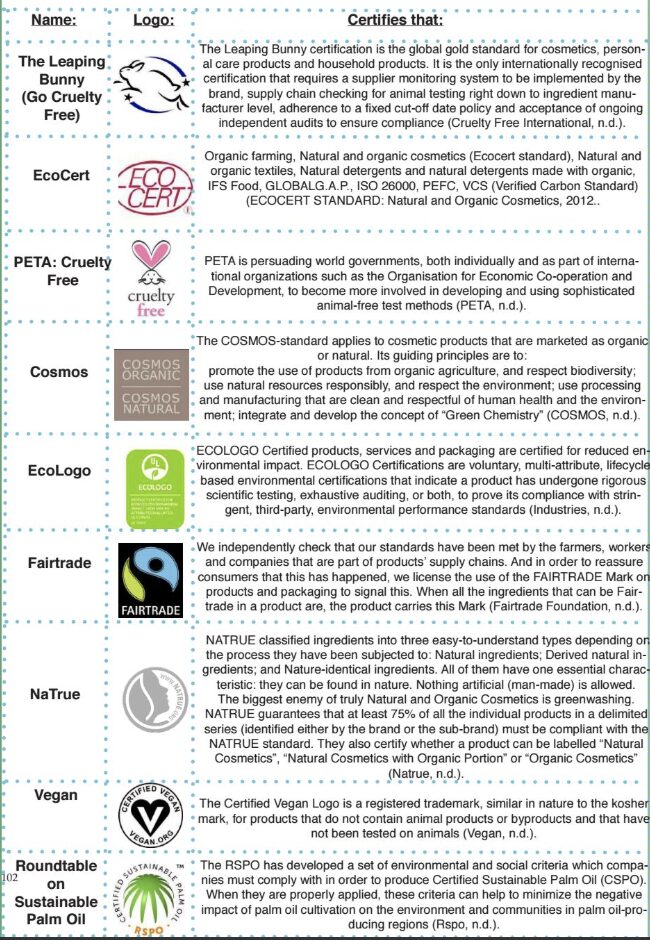
Certifications can help signal a brand’s commitment to ethical practices. While no certification is perfect, they provide valuable benchmarks.
Examples include:
When used honestly, these frameworks help consumers make more informed decisions and encourage brands to uphold higher standards.
For me, it is as simple as looking at a product’s ingredient list and its packaging, just as I do with food. My mantra is to respect what I put on my body, what I return to the Earth, and where it all comes from. I try to cause as little harm as possible, so checking labels has become second nature.
I also choose products made from natural fibers or packaged in refillable, reusable, or biodegradable materials. I often think about the fact that I am just one of over eight billion humans on this planet, all contributing to daily waste. It would be easier not to care. I could return to my old habits, buying the most popular makeup, ignoring labels, and choosing convenience every time.
But after what I have seen and researched, I cannot unlearn it. I may not be perfect, but I am intentional. I know what to avoid for my health, the health of the planet, and the lives affected by this industry. I may be one person, but collective care creates collective change. Thank you for being here. 🙂
Further Reading & Sources